home
Hurricane Insurance Checklist for Florida Homeowners
Before, during, and after a hurricane: a Florida-specific checklist for your home insurance — coverage to review, documentation to gather, claim steps to take.
By InsuranceQuotesInFlorida Editorial, Licensed Florida Insurance Agent · License #FL License # pending
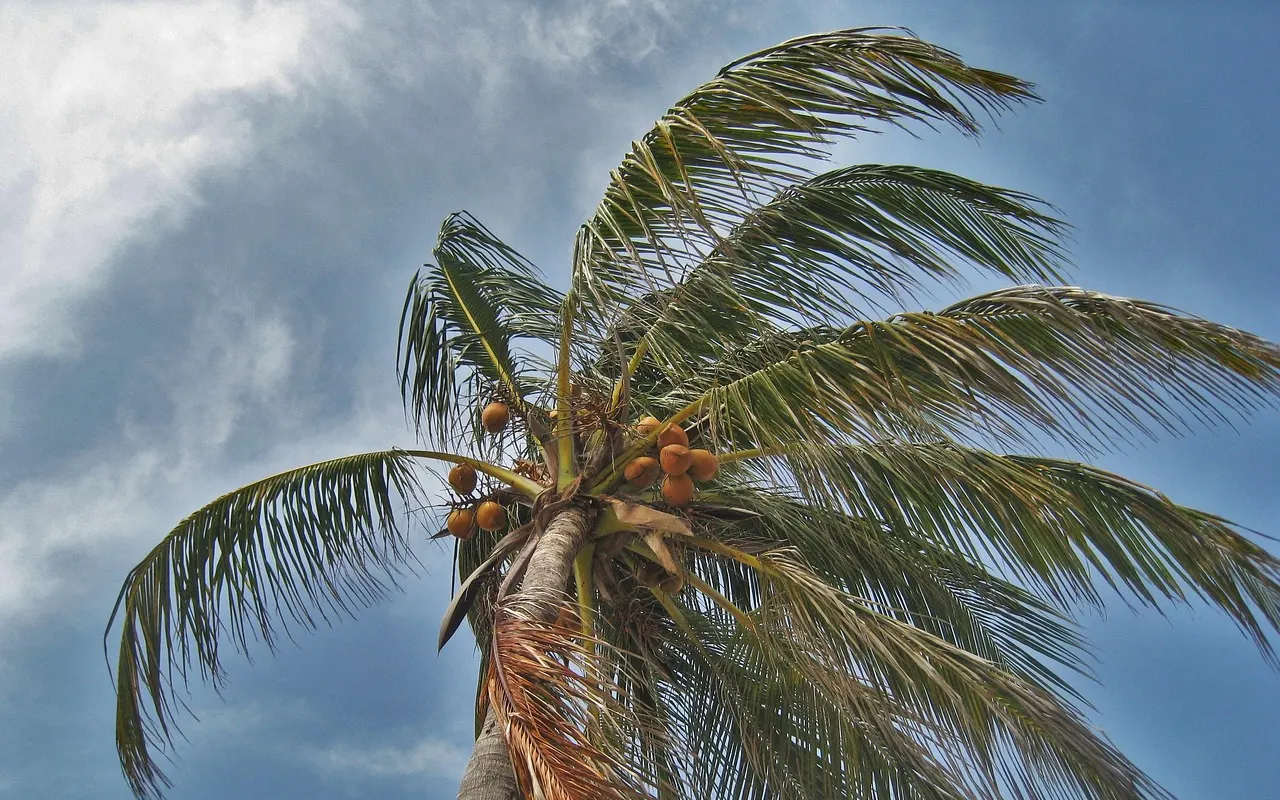
Florida hurricane season runs June 1 to November 30. The right time to verify your insurance is right is before the season — ideally by April 30, which gives you margin to make changes (including buying flood insurance, which has a 30-day waiting period).
This checklist is the one to run every spring as a Florida homeowner. It covers what to verify in your policy, what to document, what to do as a storm approaches, and what to do after one hits.
Before the season starts
Run this checklist by April 30 each year.
1. Verify your hurricane deductible
In Florida, your hurricane deductible is usually a percentage of your Coverage A limit. Open your declarations page and find it. Common levels: 2%, 5%, 10%.
Math it out. On a $400,000 dwelling with a 5% hurricane deductible, that’s $20,000 out of pocket before insurance pays anything. Make sure that number is something you can actually absorb — if not, look at lowering the percentage at next renewal (premium will go up but exposure goes down).
2. Confirm Coverage A is at replacement cost, not market value
This is the single most common Florida policy error: homeowners use their Zillow estimate or county tax appraisal instead of actual rebuild cost. Replacement cost is typically 10-30% higher than market value. If you’re underinsured, you’ll discover it after a total loss.
Use our home replacement cost calculator for a defensible number.
3. Confirm flood coverage
Standard homeowners insurance does NOT cover flood. If you don’t have a separate flood policy, you have no coverage for storm surge, river overflow, or pooled rainwater damage. Get a quote now — NFIP has a 30-day waiting period.
4. Review optional endorsements
Common Florida-relevant endorsements to consider:
- Ordinance & Law: pays the difference if your home must be rebuilt to a newer code. Important for older homes.
- Sinkhole coverage: more relevant in central Florida than coastal counties.
- Loss of Use limits: make sure these are adequate for your area’s rental rates if you’re displaced.
- Personal Property replacement cost: most policies default to actual cash value (depreciated) — replacement cost is a worthwhile upgrade.
5. Document your home
Walk through your home with your phone camera and record video. Open every closet, drawer, and cabinet. Narrate as you go. Then save the video to cloud storage (Google Drive, iCloud, Dropbox).
Take separate photos of:
- Front, back, both sides of the exterior
- The roof from the ground (and from above if you have access)
- Major appliances with serial numbers visible
- Electronics and high-value items
- Documentation of any improvements (impact windows, new roof, etc.)
This is the documentation you’ll wish you had if your home is damaged.
When a storm is forecast
You typically have 3-5 days’ warning before a hurricane lands.
- Photograph your home one more time with date stamp.
- Move outdoor furniture, grills, and loose items inside.
- Take photos of valuables, ID documents, and important papers in their current state.
- Charge phones, power banks, and laptops.
- Withdraw some cash — ATMs and card systems often go down.
- Fill prescriptions you’ll need for 7-10 days.
- If you have an elevation certificate or flood coverage, know exactly where to find them.
- If you have impact-resistant windows or shutters, confirm they’re operational.
- If you don’t have flood insurance and you’re inside the waiting period, you cannot buy it now — document everything you own at high resolution and move what you can to a higher floor.
During the storm
- Stay away from windows.
- Listen to local emergency notifications.
- Don’t use water unless your municipality confirms supply is safe (boil-water orders are common after major storms).
- If you must leave, take phone, ID, prescriptions, and a USB stick or hard copy of your insurance documents.
After the storm — claim filing checklist
The first 72 hours after a major storm are critical. Insurers receive thousands of claims at once, so claims filed early are often handled faster.
1. Confirm safety first
- Avoid downed power lines.
- Don’t enter standing water (electrical and contamination risk).
- Watch for snakes and displaced wildlife in flooded areas.
2. Document damage immediately
- Photograph or video every damaged area before moving anything.
- Get wide shots and close-ups.
- Photograph the cause of damage if visible (fallen tree, ripped roof section, flood line).
- Take photos of damaged personal property in place before discarding.
3. Make temporary repairs to prevent further damage
You have a duty to protect against further damage (e.g., tarp a damaged roof to prevent rain entry). Keep receipts for any temporary repair materials — these are reimbursable.
Do NOT make permanent repairs before your adjuster visits.
4. File the claim
Call your insurer’s claims line as soon as it’s safe. Most insurers also have online and mobile-app claim filing. Have ready:
- Your policy number
- A summary of damage
- Photos and video
- Receipts for any temporary repairs
5. Track every expense
Keep receipts for:
- Hotel and meals (Loss of Use coverage usually reimburses these if your home is uninhabitable)
- Tarp, plywood, generators
- Pumping/water removal
- Any food spoilage from extended power outage (some policies cover this)
6. Understand the claim process
Your insurer will assign an adjuster. They’ll inspect, write an estimate, and issue payment. You don’t have to accept the first estimate — if you disagree, you can:
- Request a re-inspection.
- Hire a public adjuster (they take a percentage of the recovery).
- File an Appraisal Demand if your policy includes that provision.
- Ultimately, file a complaint with the Florida Department of Financial Services or pursue legal options.
After a major event — coverage notes
In Florida, the governor sometimes declares a state of emergency that triggers protections:
- Insurers may not cancel or non-renew during the emergency period (typically 90 days).
- Some carriers waive specific waiting periods or paperwork requirements.
- Watch for scam “public adjusters” or “contractors” who appear post-storm without licenses.
Bottom line
Florida hurricane preparation is mostly about three things: having the right coverage in place by April 30, having documentation before the storm, and acting fast after it.
If you haven’t reviewed your home insurance in the last year, run a quote with us — we’ll check coverage limits, hurricane deductible, and flood gap together.
FAQ
- When is the best time to review hurricane coverage?
- Now — and at minimum every year by April 30, before hurricane season starts June 1. NFIP flood policies have a 30-day waiting period, so last-minute coverage isn't possible.
- What's the average Florida hurricane deductible?
- In Florida, hurricane deductibles are usually expressed as a percentage of Coverage A — typically 2%, 5%, or 10%. On a $400K home with a 5% deductible, you'd pay $20,000 out of pocket on a hurricane claim.
- Should I take photos of my home before a storm?
- Yes. A walk-through video and photo inventory are some of the most useful pieces of documentation you can gather. Save them to cloud storage so they're accessible if your home is damaged.