home
Florida Homeowners Insurance: The Complete 2026 Guide
Everything Florida homeowners need to know about home insurance — costs, carriers, hurricane coverage, Citizens, and how to actually save.
By InsuranceQuotesInFlorida Editorial, Licensed Florida Insurance Agent · License #FL License # pending
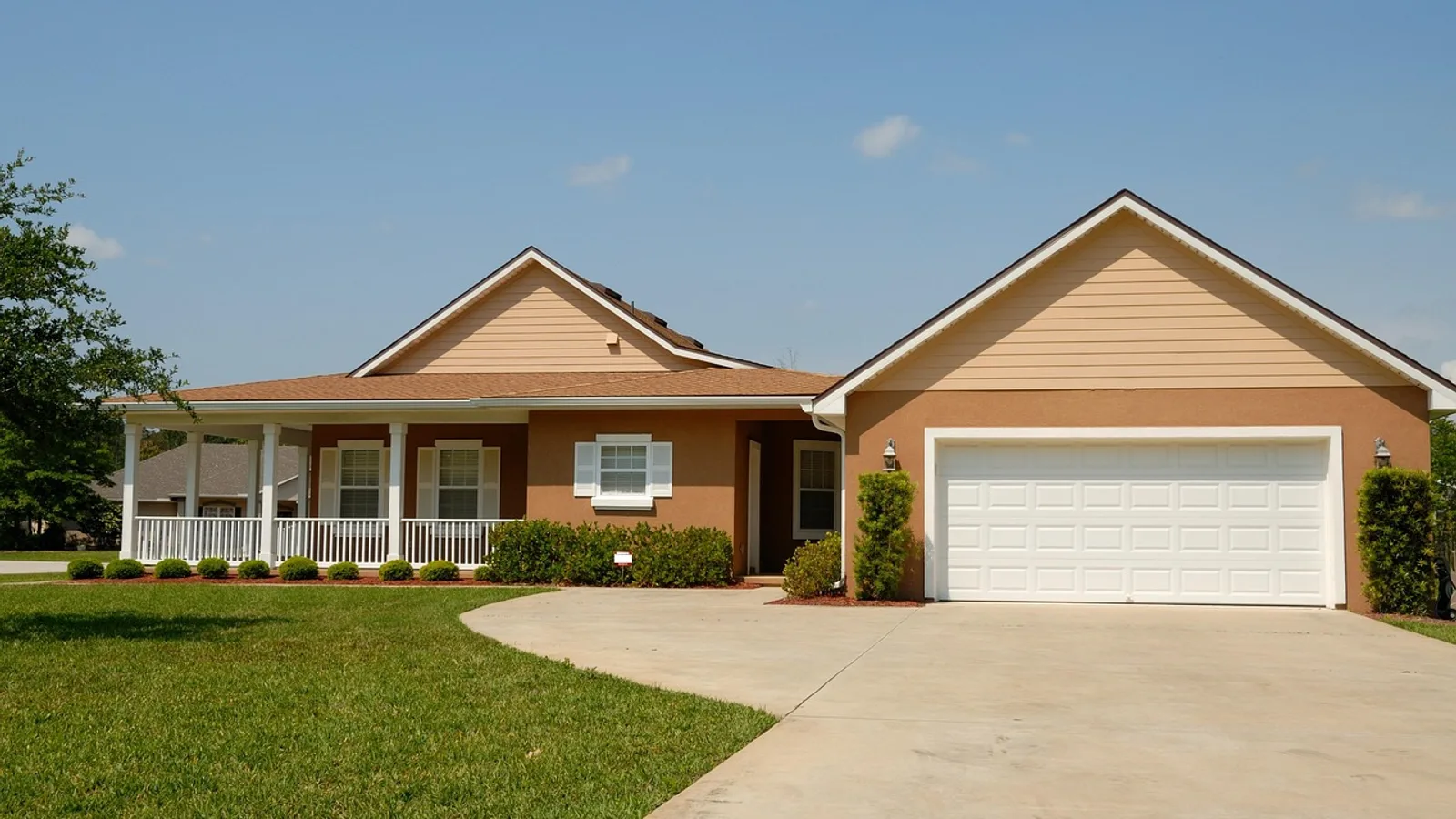
Florida is one of the hardest states in America to insure a home. Hurricanes, sinkholes, an aggressive litigation environment, and the recent retreat of national carriers have created a market where premiums are higher, options are fewer, and the rules are different from anywhere else.
This guide is the plain-English breakdown of how Florida homeowners insurance actually works in 2026 — what it costs, what it covers, who writes it, and where to focus your effort to save real money.
Why Florida home insurance is unique
Three forces drive Florida's market.
Hurricane and weather risk. Florida is the most hurricane-exposed state in the country. Carriers buy reinsurance to spread that risk; reinsurance got dramatically more expensive after the 2022-2023 storm seasons, and those costs were passed straight through to homeowners.
Litigation. Florida has a history of homeowners-insurance litigation that exceeds the rest of the country combined in some years. Recent state legislative reforms have begun to reduce this, but the cost is still baked into your premium.
Carrier consolidation. Several major national carriers (State Farm, Allstate, Farmers among them) have either stopped writing new Florida policies, dropped non-renewals at scale, or pulled back significantly in coastal counties. A handful of Florida-only specialty insurers have gone insolvent.
The combined effect: less competition, higher premiums, and homeowners who have to shop more aggressively to find coverage at all.
What's covered in a standard Florida HO-3 policy
Most Florida homeowners hold an HO-3 (Special Form) policy. It contains six coverage parts, labeled A through F:
- Coverage A — Dwelling. The amount it would cost to rebuild your house. This should match replacement cost, not market value.
- Coverage B — Other Structures. Detached garage, fence, pool cage, shed. Usually 10% of A.
- Coverage C — Personal Property. Furniture, electronics, clothing, etc. Usually 50-75% of A.
- Coverage D — Loss of Use. Hotel and meals while your home is uninhabitable.
- Coverage E — Personal Liability. If someone is hurt on your property and sues, this defends you.
- Coverage F — Medical Payments. Small amount for guest medical bills regardless of fault.
A standard HO-3 covers your home against most causes of loss except those specifically excluded. The big exclusions: flood, earthquake, and sometimes sinkhole (which is a Florida-specific add-on you may want).
Florida-specific coverages and quirks
Hurricane / wind deductible
In most of Florida, your hurricane deductible is a separate, percentage-based deductible that applies only to named-storm wind damage. Common levels are 2%, 5%, and 10% of your Coverage A limit.
That percentage matters more than it sounds. On a $400,000 home with a 5% hurricane deductible, you'll pay $20,000 out of pocket on a hurricane claim before insurance starts paying. The lower the percentage, the higher your premium.
Sinkhole coverage
Standard Florida policies cover catastrophic ground cover collapse (the entire home is unsafe to occupy), but not the broader category of sinkhole damage (cracking, settlement, partial loss). Sinkhole coverage is sold as a separate optional endorsement and is more relevant in central Florida than in coastal counties.
Ordinance & law
If your home is damaged and your county requires you to rebuild to a newer code (e.g., updated wind-load standards), the difference can be tens of thousands of dollars. Ordinance & Law coverage pays for that gap. Most Florida policies include 10-25% by default; consider adding more if your home is older.
What does Florida home insurance cost in 2026?
Real Florida premium ranges by home value (representative — your actual rate will vary):
These ranges assume average roof age (8-12 years), no prior claims, and no hurricane impact glass. Specifics that move the number up or down include roof age, distance from coast, year built, prior claims, and protective features.
Top Florida homeowners insurance companies
Florida's market includes a mix of national, regional, and Florida-specialty carriers. The major players currently writing in Florida include:
- Citizens Property Insurance Corporation — state-created insurer of last resort
- Universal Property & Casualty — large Florida specialty carrier
- Heritage Insurance — Florida specialty
- People's Trust — Florida specialty with prevention focus
- Tower Hill — Florida specialty
- American Strategic / Progressive Home — national presence
- Allstate / State Farm — limited new business in many ZIPs
- Frontline Insurance — coastal specialist
Which carriers can write your home depends on county, roof age, year built, and claim history. An independent agent (us) shops across the carriers we’re appointed with rather than just one.
How to actually lower your Florida home insurance
These are the levers with the biggest dollar impact, in rough order:
- Replace your roof if it’s over 15 years old. Sometimes pays for itself in 3-4 years through premium reduction.
- Install hurricane impact-resistant windows or shutters. Discount of 5-15% on most carriers, plus eligibility with picky carriers.
- Raise your AOP deductible (the all-other-perils deductible, not hurricane). Going from $1,000 to $2,500 typically saves 8-12%.
- Bundle with auto. Multi-policy discount of 10-25% on each policy.
- Shop annually. Florida carriers re-rate aggressively. The cheapest carrier last year is often not cheapest this year.
- Wind mitigation inspection. A formal inspection documenting hurricane straps, roof attachment, and other features can unlock substantial discounts.
- Improve your credit. Florida allows credit-based insurance scoring, and the difference between excellent and poor credit can be 30-40% on premium.
- Don’t over-insure your dwelling. Use a real replacement-cost calculation, not your home’s market value or your county tax appraisal.
Citizens vs. private — when to use which
Citizens Property Insurance is Florida’s state-created insurer of last resort. It’s available to homeowners who cannot find coverage in the private market or whose private quotes are 20%+ higher than Citizens.
Use Citizens when:
- No private carrier will write you (older home, prior claims, coastal high-risk, etc.)
- Private quotes are dramatically higher than Citizens
- You're in a temporary spot and need coverage now
Prefer private when:
- You qualify for it. Private carriers usually have broader coverage forms, fewer assessment risks, and similar or better rates for newer/inland homes.
- Citizens has a special “assessment” risk: when major hurricanes deplete its reserves, it can charge an emergency assessment to all Citizens policyholders. Private carriers don’t do this.
A good independent agent quotes both and shows you the trade-off side by side.
What to do if you’ve been non-renewed
Non-renewals are common in Florida. If you receive a non-renewal notice:
- Don’t panic. You usually have 60-90 days before coverage lapses.
- Get the reason in writing. Common reasons: roof age, prior claims, distance from coast, carrier exit from market.
- Shop with an independent agent immediately. Many specialty carriers write the risks national insurers reject.
- If no private carrier will write you, Citizens will.
- Address the underlying issue if possible (replace roof, repair issues from prior claim, etc.) — this opens up better options at next renewal.
Bottom line
Florida home insurance isn’t cheap and probably never will be. But it is shoppable: there’s real variance between carriers, and the levers (roof, deductible, mitigation features, bundling, credit) all have measurable dollar impact.
Use our Home Replacement Cost Calculator to get a defensible Coverage A number, then start a quote — we’ll shop it across the carriers we’re appointed with and walk you through the trade-offs.
FAQ
- How much does home insurance cost in Florida?
- Florida's average homeowners premium runs roughly 2-3 times the national average. A $400K home in a moderate-risk area typically costs $3,500-$6,500 annually; a coastal home or older property can easily exceed $8,000.
- What's the average Florida hurricane deductible?
- Hurricane deductibles in Florida are typically expressed as a percentage of Coverage A — most commonly 2%, 5%, or 10%. On a $400K home with a 5% deductible, you'd pay $20,000 out of pocket on a hurricane claim before the carrier pays anything.